


Basement flooding isn't easy to deal with for both homeowners and commercial building owners. Right? Not only can a basement flood create chaos, but it can also lead to further damage if not tackled on time. Be the flooding is due to rainfalls, burst pipes, or faulty plumbing fixtures like a sump pump, immediate action is a must. Using emergency disaster cleanup services could give much-needed support in these instances. This guide offers essential tips that will assist with effective clean-up efforts.
Ensure Safety First
When dealing with a flooded basement, safety shouldn't be ignored. All you need to cut off the power as well as the gas supply. If you are unable to do these tasks on your own, it will be better to call a pro electrician or the utility provider for help. Also, safeguard yourself from hazardous water by using rubber boots, gloves, as well as masks.
Clear Standing Water
Swift action to drain standing water away is imperative in order to avoid further damage and mold growth. To do this task effectively, you need a sump pump. It works best at clearing away large volumes, which is quite tough to clear manually. You can rent this device from local hardware stores. Begin draining from the lowest point in your basement towards its exit to prevent the floodwaters from spreading further in a field; in severe flooding cases, consider pro-water damage restoration assistance instead.

Dry the Area Thoroughly
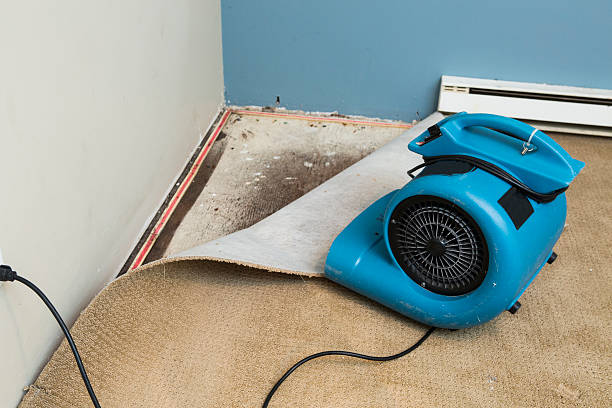
Once the standing water has been vacated, it is critical to properly dry the basement to avoid mold as well as mildew. For this, powerful fans, as well as dehumidifiers, can be used to rev the drying process. Place the fans in strategic positions to improve airflow and keep the dehumidifiers running for a few days. Apart from this, open the windows, ventilators as well as doors to boost airflow and hasten up the drying process. Do not forget to check hidden spaces, such as behind walls and beneath floors; the reason is these may collect moisture and lead to mold development if not adequately dried.
Clean and Disinfect Surfaces
Once dry, immediately begin the cleaning and disinfecting procedure. It will assist in eliminating contaminants as well as pathogens left from floodwater. A mixture of bleach as well as water (1 cup per gallon of water) should be sufficient to sanitize floors, walls, and other surfaces.
You also need to scrub to remove dirt, mud, grime, and mold colonies in hard-to-reach corners where bacteria thrive; make sure that adequate ventilation exists while you work. Furthermore, follow any safety instructions on cleaning products to enhance safety.
Remove and Dispose of Damaged Items
Sort through your stuff and at the same time eliminate any objects that were damaged by the water. Remember, furniture, rugs, and other absorbent items are especially prone to water damage as well as mold development. So, assess each item to see whether they can be restored or not.
In addition to this, non-porous materials, such as metal or plastic, may usually be easily cleaned and dried. They just need a vigorous bath of water mixed with detergent. However, when in doubt, confirm with Boise, ID, and the water damage restoration pros about disposing of items to avoid mold as well as health risks.
Inspect and Repair Structural Damage
Survey the basement thoroughly for any signs of flood-induced structural damage like cracks in walls and floors. It is imperative to note that water can make the foundation fragile over time and lead to catastrophic effects. Also, seal minor cracks with a premium quality waterproof epoxy sealant. For large cracks or shifts in the foundation, it will be better to contact a structural engineer or pro contractor. They can evaluate its severity before providing recommended solutions for repairs.
Endnotes
You must take into account these seven tips to successfully handle basement flood damage cleanup. Remember, emergency disaster cleanup services offer pro support that makes the process even smoother and faster. So, don't hesitate to contact them.